Fashion is cyclical. What’s old becomes new again. Remember when everyone had a custom-made suit or a tailored dress? That made-to-order garment didn’t just fit better, it had higher value, lasted longer, and held meaning—quite the opposite of fast fashion that has too long plagued the fashion industry. Soon, that era of premium, enduring design will be making a comeback. Only this time, it will not only be driven by fashion or trend, but by technology aligned with circular economy principles.
The Scale of the Problem and the Opportunity
Global fiber production hit 124 million tons in 2023, translating into roughly 100 billion garments a year. Yet, fast fashion has hollowed out use; studies show clothing use has fallen nearly 40%, while production has doubled over the last 15 years.
Less than 1% of textiles make it back into new fibers, driving what the Ellen MacArthur Foundation calls a $500 billion lost value annually due to underuse and poor recyclability. Meanwhile, cutting-room waste eats up 10-15% of fabric before a garment even exists. That’s both a problem and an opportunity for innovators to rethink the system.
Variloom’s Twist on a Classic: Tailored Meets Tech
Enter Variloom, which is working to resurrect that bespoke spirit—tailored perfection that is 3D-printed to shape, customizing each product for design, fit, function, and future reuse.
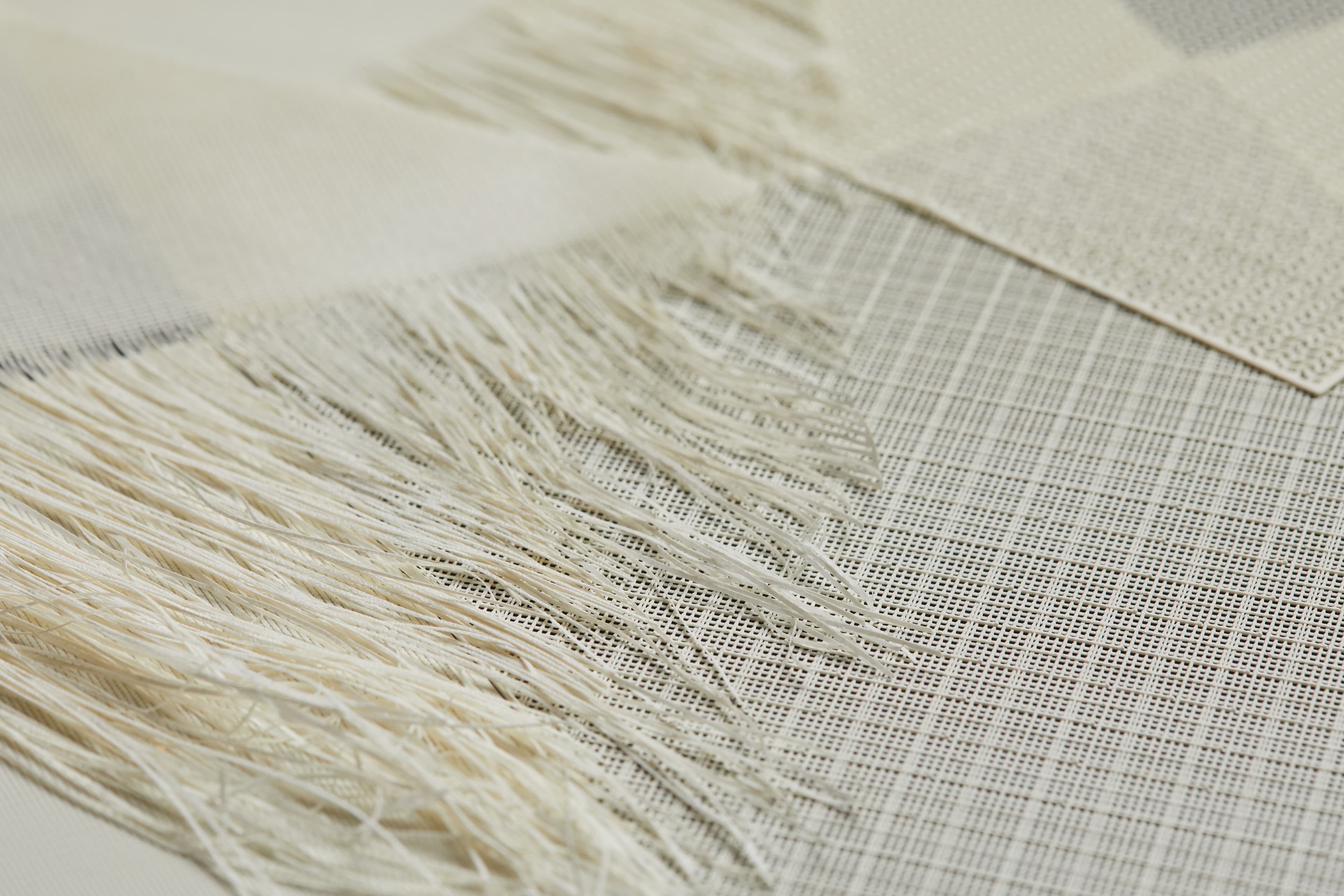
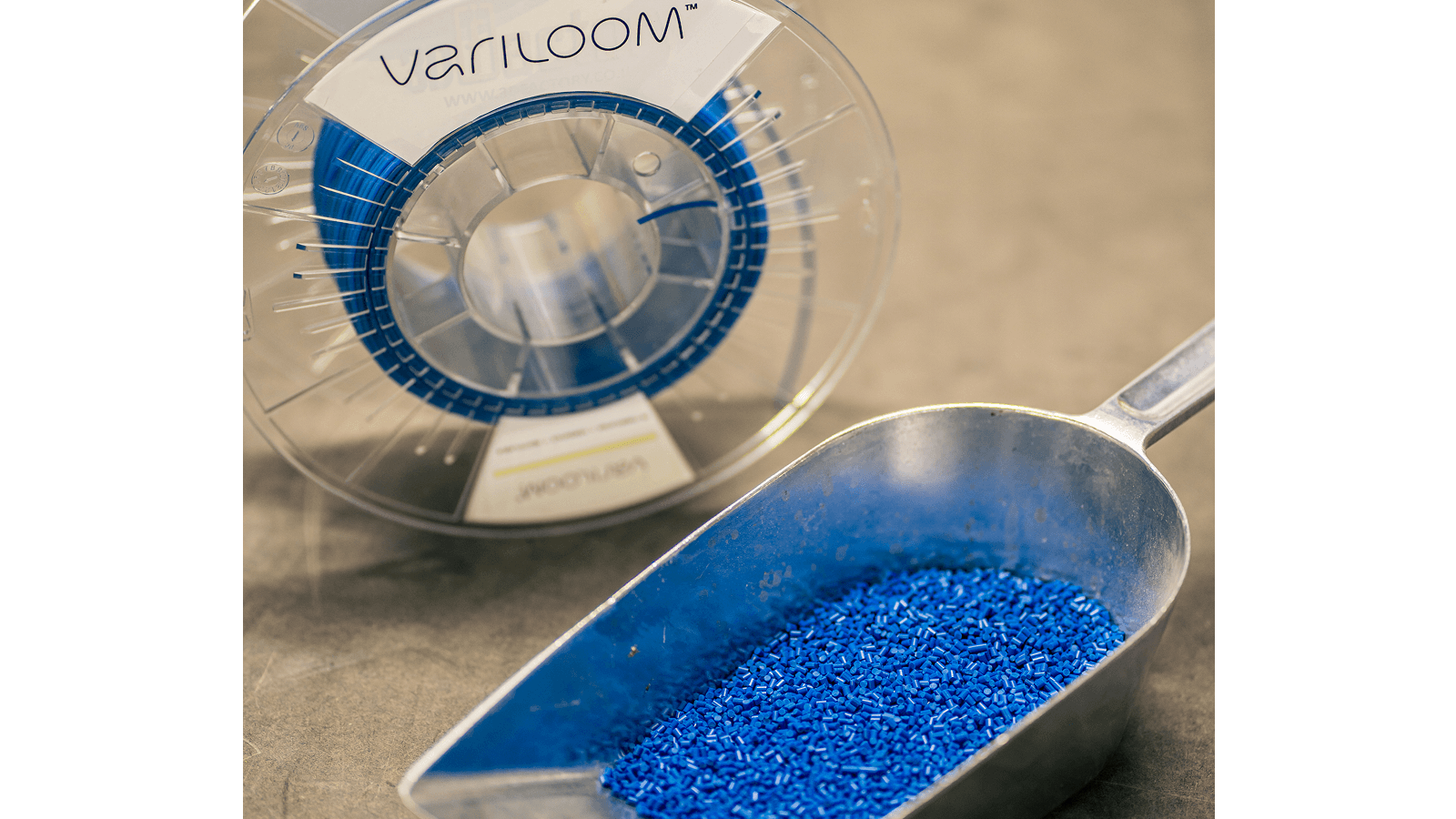
Variloom created a patent-pending filament and designed a 3D-printing system for soft goods. From bio-based plastics to textile and agro waste, Variloom owns the stack: formulation → material production → print. Reduced cutting waste, elimination of bulk greige textiles, reduced or no production MOQ, or huge merchandise inventory. They can embed trims directly into the structure, creating mono-material garments designed for easy recycling.
This isn’t just theory. It’s a rebalance: bringing manufacturing back into closer proximity to customers, treating every garment as a valuable, long-lived piece, and not just a disposable trend.
Weaving Voices Into the Narrative
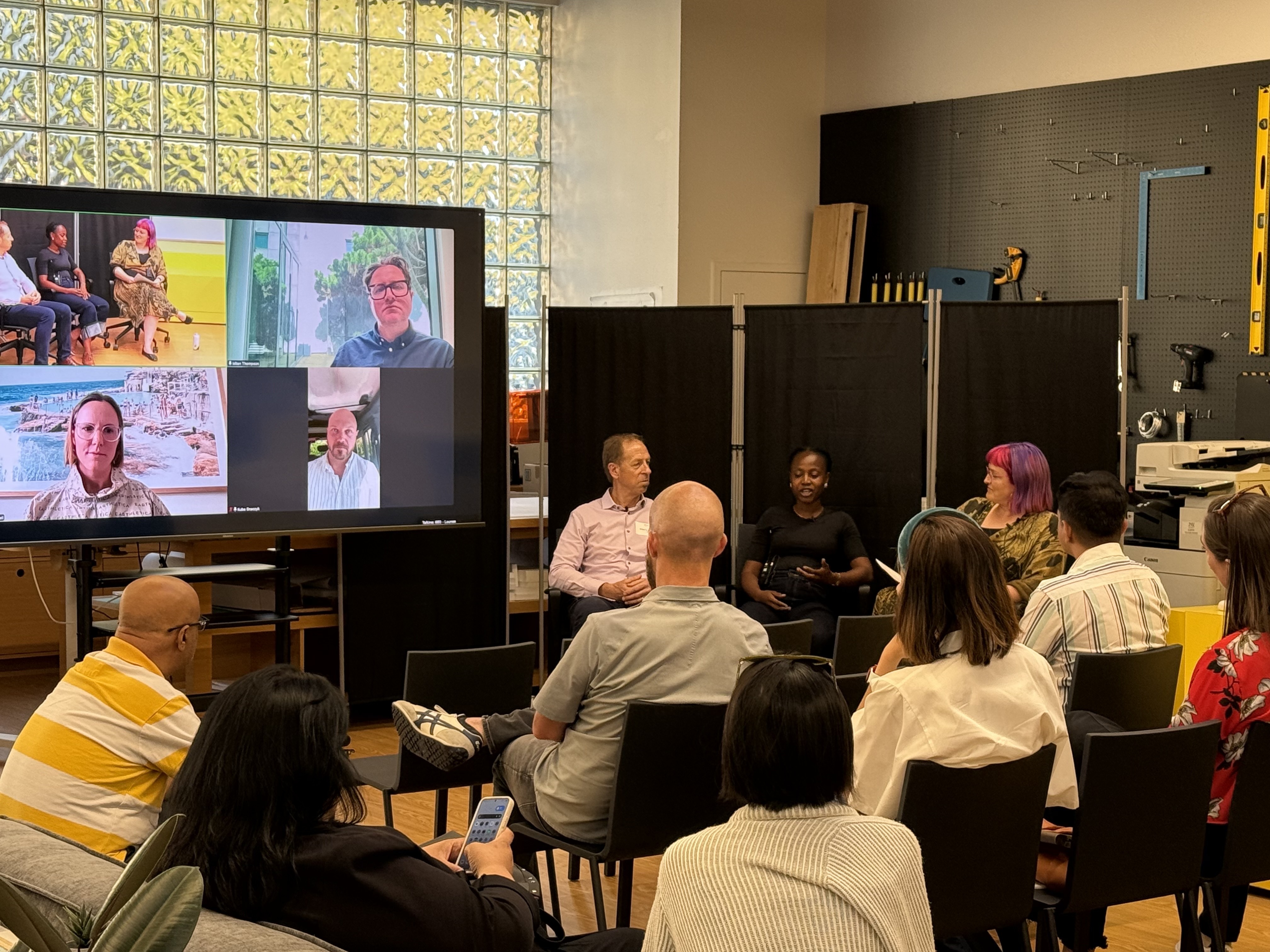
Moon’s discussion panel on sustainability brought this vision into sharper focus, where industry experts from Earthletica, Koobz, Rip Curl, Variloom, and YKK shared their journeys in sustainable fashion.
Circularity Begins Long Before Manufacturing
The panel emphasized that sustainable product lifecycles have to be designed starting from the materials stage, and it is not a matter of trying to retrofit them later.
Rip Curl and Earthletica both shared how upstream decisions like fiber selection, trims, construction, and even end-of-life disassembly have become central to their creative processes. Earthletica’s success with YKK’s new Aerie® String zipper (a no-tape, recycled fastener) demonstrated that functionality and circularity can co-exist and improve product performance simultaneously.
The Biggest Sustainability Problem? Overproduction
It is noted that forecast-driven manufacturing leads to at least some percentage of apparel never being sold. And it ultimately ends up being destroyed or in landfills.
While on-demand and made-to-order models are promising, major brands still remain tied to legacy inventory systems. This gap between technological capability and operational readiness remains one of the sector’s toughest bottlenecks. Made-to-order production by brands like Koobz can help to avoid supply-chain bottlenecks while actively reducing waste and ensuring fewer garments end up in landfills.
Technology Is Reshaping the Supply Chain
From AI-driven forecasting to digital twins, electrified dye processes, and 3D-printed apparel components, technology emerged as a key enabler of a lower-carbon future.
The Variloom team discussed how additive manufacturing enables monomaterial garments, making disassembly and recycling far easier. And other panelists also highlighted the promise of 3D digital sampling. AI may be able to assist with trend forecasting and virtual product testing that can offer new ways to prevent overproduction and gather early consumer feedback before manufacturing begins.
Fast Fashion’s Impact Is Worse Than Planned Obsolescence
Panelists emphasized that apparel’s issue is not intentionally short product lifespans (as seen in tech), but it is also because of ultra-short garment use cycles by consumers, and a shockingly low wear counts
In contrast, heritage brands like Rip Curl maintain 60–70% evergreen product lines, prioritizing durability over rapid turnover.
Everyone Has a Role, Not Just Designers
While designers shape desirability and material choices, true sustainability requires participation throughout the ecosystem.
From ensuring ethical material sourcing, VC-funding priorities, to consumer behavior, the panel emphasized shared accountability from all stakeholders.
The panel underscored an encouraging truth: the tools, technologies, and ideas needed for a circular future already exist. What’s required now is alignment—across designers, brands, suppliers, regulators, and consumers—to scale those solutions responsibly.
Sustainability isn’t a trend. It’s the blueprint for the industry’s survival—and its greatest opportunity for reinvention.
What emerged from the conversation is that circularity cannot be bolted onto business-as-usual, and it has to be embedded earlier at the design stage. If it can be printed to shape, produce only what is needed, and bring supply chains closer to the consumer, waste would stop being inevitable. Policies like the EU’s mandate for separate textile collection are pushing the industry forward, but real change will come from how we choose to design, produce, and consume.
Circularity and Tailor-Made Trends: A Perfect Match
Here’s where fashion’s repetitiveness becomes powerful. Bespoke isn’t just about luxury; it is about choosing quality, longevity, and fit. It is a mindset shift from mass-produced leftovers to made-for-you pieces. When matched with zero-waste design and circular streams, like what Variloom is doing, bespoke becomes a tool against landfills and overproduction.
Ellen MacArthur Foundation’s model of the circular fashion economy urges this shift: design for reuse, materials that can be remade again, and business models that extend garment life through longevity, repair, or recycling. Making garments to last, whether they are printed on demand or custom-tailored, is rediscovering that value mindset of past generations.
We’ve come full circle, fashion is returning to what it always was: personal, handcrafted, meaningful. Now it’s faster, cleaner, smarter. Bespoke is back, but with fabrics that can loop back, tech that makes it feasible, and circular systems that make it sustainable.
The future of fashion is not fast, linear, or disposable. It is slow where it matters, smart where it counts, and circular by design. At Variloom, the vision is simple: fewer boxes in warehouses, fewer off-cuts on factory floors, and fewer garments destined for landfills. By pairing material innovation with localized, on-demand production, they can create products that delight customers while honoring the planet.
We stand at an intersection where custom meets consciousness, where trends repeat, but this time, with purpose. Let’s walk through that front door of design, fully aware that better fashion means fewer boxes in the warehouse, fewer gowns in the trash, and more soul in what we wear.
Share on
Related stories
Fashion On-Demand: A Conversation With Variloom
In a recent interview, Bethany Meuleners shared how 3D printing and biobased materials can unlock a faster, cleaner future for fashion.
From Foundation to Future: Lessons in Building, Scaling, and Sustaining Startups
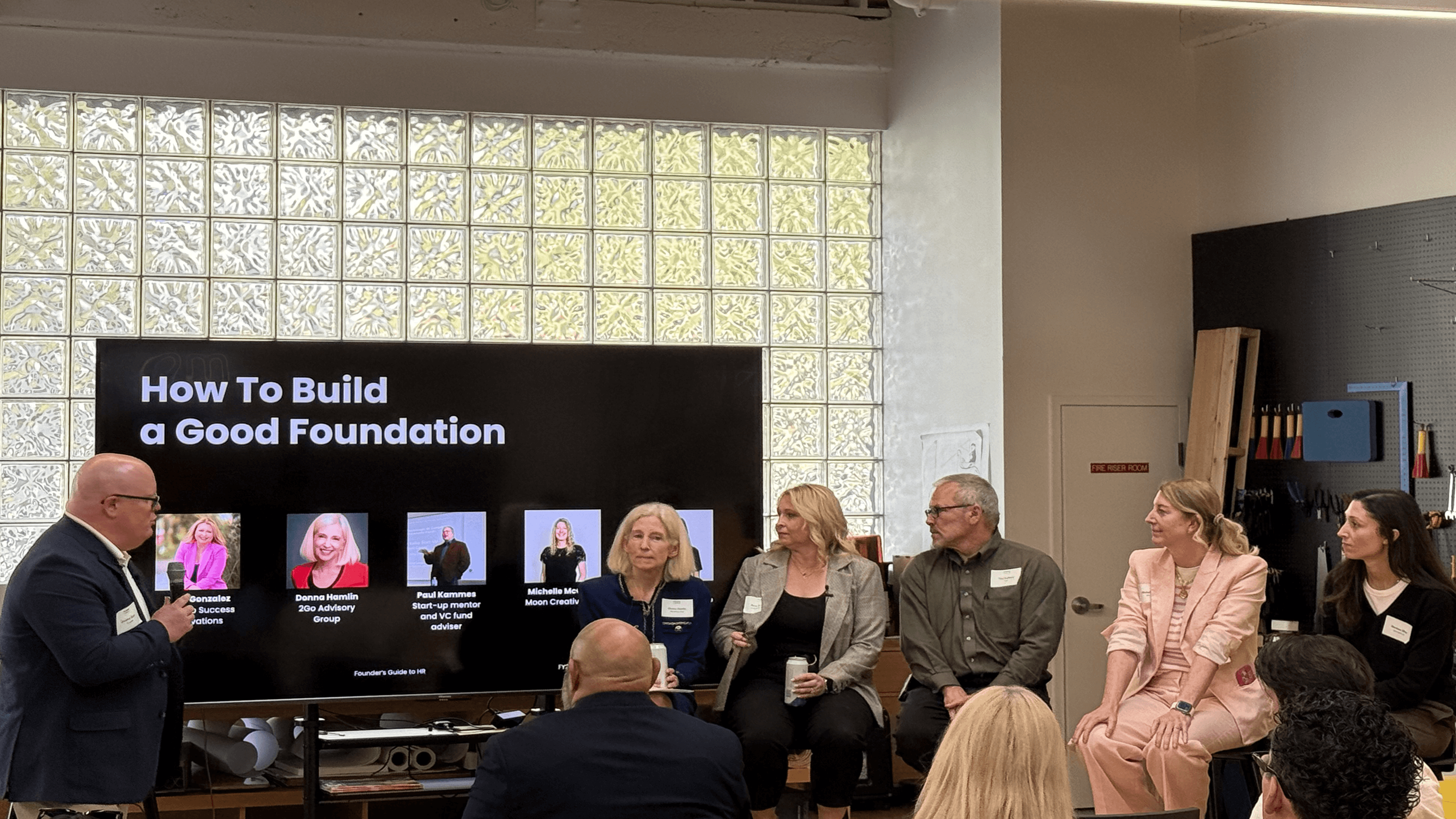
Vensure Employer Solutions and Moon Creative Lab launch an event series for founders that brought together experts, advisors, and innovators to share hard-earned lessons and forward-looking insights to help founders grow and scale.
Moon Venture Variloom Is an Honoree in the Fast Company 2025 Innovation by Design Awards!
Congratulations to Variloom for being named an Honoree in Fast Company's Innovation by Design Awards!